How to Conduct a Workplace Investigation After a Hotline Report: 10 Steps to Case Closure
Disclaimer: This article provides general information about workplace investigation practices and is not legal advice. Laws and obligations vary by jurisdiction, industry, and the facts of each case. Consult qualified legal counsel before making decisions about a specific investigation.
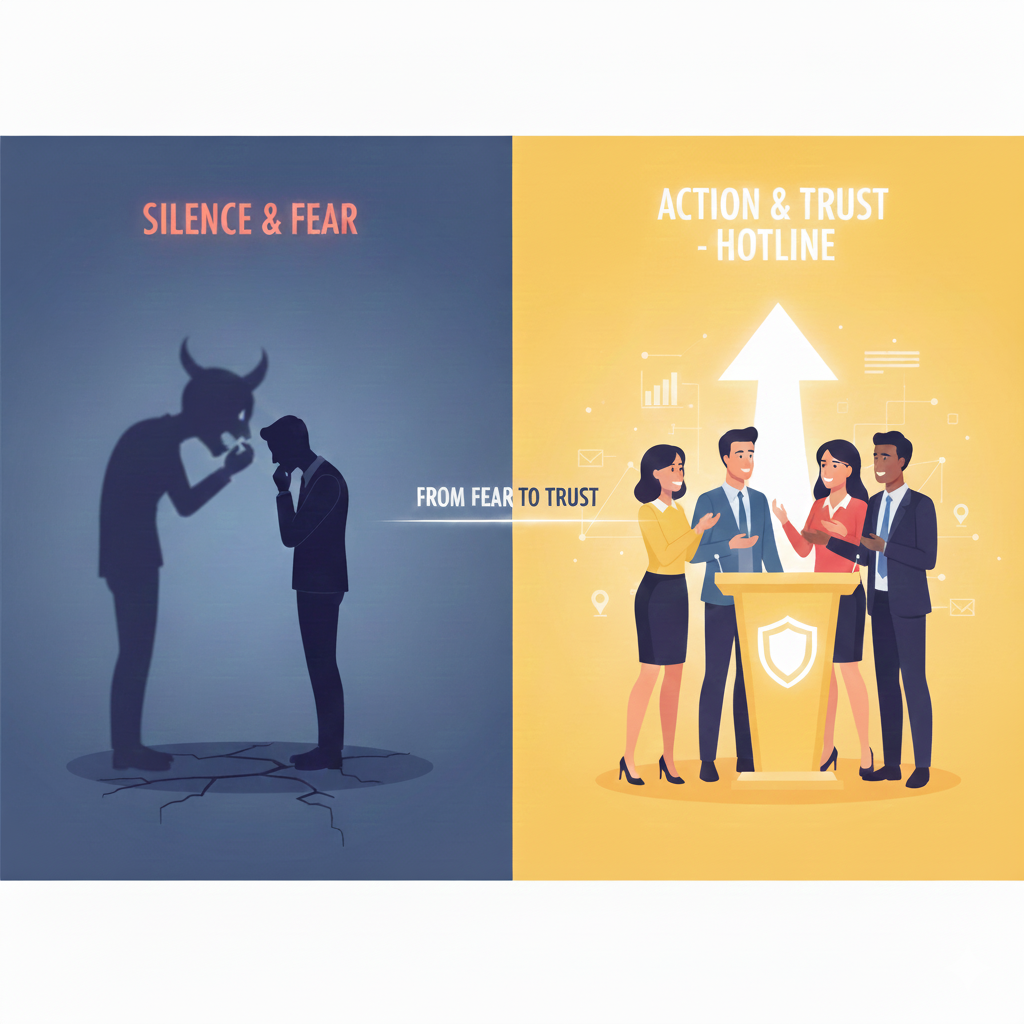
Knowing how to conduct a workplace investigation is what turns a hotline report into a real result. The hotline did its job: someone spoke up. What happens next is up to you, and it determines whether employees trust the process enough to speak up again.
How to Investigate a Hotline Report
Receiving a hotline report can feel daunting, especially the first time. Even experienced teams feel the weight of a serious allegation. The good news is that you don’t have to improvise. A consistent workplace investigation process protects the reporter, treats the people named in the report fairly, and gives your organization a clear record of how every decision was made.
This guide walks through ten steps, from the moment a report arrives to the day the case closes. It includes sample language you can adapt, a workplace investigation report template, and a checklist to review before closing any case. Whether this is your first report or your five-hundredth, the same steps apply.
Please note: This guide is general information, not legal advice. Involve legal counsel when appropriate, particularly for allegations involving potential legal violations, senior leaders, or possible termination.
What Makes an Investigation Effective
In its Promising Practices for Preventing Harassment, the U.S. Equal Employment Opportunity Commission (EEOC) describes an effective complaint system as one that operates promptly, thoroughly, and impartially. These are promising practices, not legal requirements, and the EEOC wrote them with harassment in mind. Even so, they make a useful test for any workplace investigation, whether the report involves fraud, safety, discrimination, or a policy violation. Prompt means the work starts quickly and doesn’t stall. Thorough means every allegation gets examined. Impartial means the people doing the work have no stake in the outcome. For more, see our summary of the EEOC’s guidance for investigating reports.
Before the Investigation Starts
The first hours and days after a report arrives set the tone for everything that follows. Before anyone conducts an interview, three things need to happen: the reporter hears back, the report gets a careful read, and access to the information is locked down.
Step 1: Acknowledge Receipt of the Report
The first step is to acknowledge receipt of the report if the person who filed it chose any of the three options that allow you to continue to communicate with them. The acknowledgment should thank the reporter for their courage and assure them that their report is being taken seriously.
Example: “Thank you for your report. We appreciate your courage in bringing this matter to our attention. Please be assured that we are taking your report seriously and will begin our review process promptly.”
Whether you can send an acknowledgment depends on the option the reporter chose. If they selected an option that does not allow follow-up, you won’t be able to respond, so note the date the report was received in the case file and move on to your review. When you can respond, do it quickly and keep it brief. An acknowledgment is not the place to share details, ask leading questions, or suggest what the outcome might be.
Step 2: Review the Report Thoroughly
Carefully read through the report to understand the details. Identify the key issues, the individuals involved, and any evidence provided. This initial review will help you determine the next steps and the urgency of the matter.
As you read, work through a few triage questions:
- Is anyone in immediate danger? A credible threat to someone’s safety calls for action now, including contacting emergency services if needed, before a formal investigation begins.
- Could this involve a legal or regulatory issue? Allegations of fraud, discrimination, retaliation, or safety violations may call for legal counsel or create reporting obligations to outside agencies.
- Should anyone be removed from handling the report? If a person who normally receives or manages reports is named in it, or is close to the people involved, take them off the case right away.
- Is this connected to earlier reports? A pattern of similar concerns may change the scope of your investigation.
An escalation matrix that defines who handles which types of reports, and when a matter moves up the chain, makes these decisions faster and more consistent.
Step 3: Ensure Confidentiality
Maintaining confidentiality is paramount. Ensure that the information is only shared with those who need to know. This protects the reporter and the integrity of the investigation.
In practice, that means limiting case-system access to the people assigned to the investigation, referring to the matter by case number rather than by names, keeping notes in the case file instead of personal drives or inboxes, and taking care with email subject lines, meeting invitations, and chat messages that others might see.
Confidentiality also has limits. You may need to share some information to investigate, take corrective action, or comply with the law. For that reason, avoid promising absolute confidentiality to the reporter, witnesses, or the person named in the report. The EEOC frames it this way: information should be kept confidential to the extent consistent with a thorough and impartial investigation and permitted by law. Promise what you can deliver.
Plan the Investigation
A short written plan keeps a workplace investigation focused and makes it easier to show later how decisions were made. It doesn’t need to be long. For many cases, a page or two is enough.
Step 4: Assemble an Investigation Team
Depending on the nature of the report, you may need to assemble a team to investigate. This team should include individuals with the appropriate expertise and impartiality. Ensure that the team understands the importance of confidentiality and professionalism. Communicate with your legal team, if appropriate, to ensure that all actions comply with legal requirements and to get advice on any potential legal implications.
Before assigning anyone, check for conflicts of interest. Does this person report to, supervise, or work closely with anyone named in the report? Do they have a personal relationship with the people involved? Were they part of the events or decisions being reported? Could the outcome affect them? A “yes” to any of these is a reason to choose someone else. If your hotline routes reports automatically by report type and location, check that the rules send each kind of report to people who can handle it impartially, and review those rules whenever roles change.
An outside investigator may be the better choice when the report involves senior leaders, executives, or board members, when your internal team lacks the needed expertise, when litigation seems likely, or when your organization is small enough that everyone knows everyone. For serious fraud or financial allegations, a forensic investigation by qualified specialists may be needed.
Step 5: Develop an Investigation Plan
Outline the steps you will take to investigate the report. This plan should include:
- Objectives: What do you aim to achieve with the investigation?
- Scope: What areas will the investigation cover?
- Timeline: How long will the investigation take?
- Resources: What resources will you need?
- Allegations: What specific allegations will you examine? Write each one as a clear question to answer.
- Relevant policies: Which policies, codes of conduct, or procedures apply?
- Evidence: What documents, records, and data will you collect?
- Interviews: Who will you interview, and in what order?
- Retaliation prevention: How will you protect the reporter and witnesses during and after the investigation?
Preserve evidence early. Email, Microsoft Teams or Slack messages, badge and system access logs, schedules, financial transactions, security footage, and documents uploaded through the hotline can be changed, deleted, or automatically overwritten. Work with IT and records owners to secure relevant material before anyone involved has a chance to alter it. Counsel may also recommend a formal legal hold.
Conduct the Investigation
This is where the plan meets the facts. Most of a workplace investigation’s time and effort happens here.
Step 6: Conduct the Investigation
Follow your investigation plan meticulously. This may involve interviewing witnesses, reviewing documents, and gathering additional evidence. Ensure that all actions are documented thoroughly. If the evidence points somewhere your plan didn’t anticipate, update the plan and note why it changed.
Interview the Reporter, Witnesses, and the Person Named in the Report
Prepare neutral, open-ended questions before each interview. “What happened next?” invites a full account. “Did he yell at you?” suggests the answer. Ask who, what, when, and where, and ask how the person knows what they’re telling you. Did they see or hear it themselves, or did someone tell them?
Take clear notes that record the date, time, location, who was present, and what was said. Stick to facts. Don’t share your opinions, don’t reveal what other witnesses said, and don’t promise any particular outcome.
In every interview, explain that retaliation is prohibited and how to report it if it happens. Our overview of an anti-retaliation policy covers what that protection should include. Close each interview by asking whether anyone else has relevant information or documents. The person named in the report should get a full opportunity to hear the allegations and respond to them.
Interview order is a judgment call that depends on the facts of the case. Many investigators start with the reporter, move to witnesses, and then speak with the person named in the report so they can respond to everything gathered. A risk of evidence being destroyed, safety concerns, or witness availability may call for a different order.
Review Documents and Other Evidence
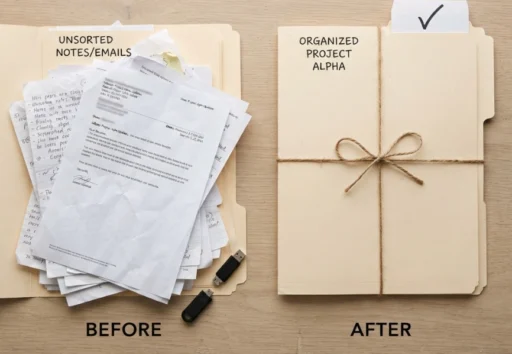
Depending on the allegations, relevant evidence may include policies, emails, text and chat messages, schedules and timecards, financial records, photos, video, and evidence the reporter uploaded with the report. Keep track of where each item came from, who collected it, and when. Preserve originals and work from copies so the record stays intact.
Follow Up on Anonymous Reports
Anonymous doesn’t have to mean one-way. Many anonymous reports arrive missing a key detail, such as a date, a location, or the name of another witness. With anonymous two-way communication, investigators can post follow-up questions in the case, and the reporter can answer and upload evidence without revealing who they are. Ask specific questions, check the case regularly for replies, and give the reporter time to respond.
Never try to identify an anonymous reporter. Guessing from writing style, schedules, or the details in the report undermines trust in your hotline and can expose the reporter to retaliation. Focus on the allegations, not the source.
Common Workplace Investigation Mistakes
- Delaying the initial review
- Letting a conflicted investigator participate
- Failing to preserve evidence before it changes or disappears
- Promising absolute confidentiality
- Leaving anonymous reports without follow-up
- Documenting conclusions without the reasoning behind them
- Ignoring retaliation concerns after the case closes
Reach a Conclusion and Take Action
A conclusion should follow the evidence, not the other way around. The response should be consistent with your policies and with how similar cases have been handled in the past.
Step 7: Analyze the Findings
Once the investigation is complete, analyze the findings to determine whether the report is substantiated. Consider all evidence objectively and consult with your team to reach a conclusion.
Address each allegation separately. One may be substantiated while another is not, and some will be inconclusive. When accounts conflict, weigh factors such as corroboration from other witnesses or documents, consistency over time, level of detail, plausibility, and any motive to shade the truth. A lack of witnesses doesn’t mean something didn’t happen.
Compare the facts you’ve established to the policies that apply, then document the reasoning behind your conclusion, not just the conclusion itself. Many organizations use a “more likely than not” standard when deciding whether an allegation is substantiated. Confirm with legal counsel which standard applies to your organization and the type of matter. A useful test: could an auditor, regulator, or attorney who reads the file months from now follow how you got from the evidence to the conclusion?
Step 8: Take Appropriate Action
Based on your findings, decide on the appropriate action. This could range from disciplinary action against those involved to implementing new policies to prevent future issues. Ensure that any actions taken are fair and consistent with your organization’s policies.
Assign each corrective action an owner and a deadline, and then follow up to confirm it was completed. Was the training delivered? Was the policy updated? Was the control gap fixed? Record the answers in the case file. When the same issue keeps coming back, a root cause analysis can help you find and fix what’s driving it.
Close the Case and Improve the Process
How a case closes affects whether employees trust the process enough to report next time. A report that disappears into silence teaches people not to bother.
Step 9: Communicate the Outcome
Inform the reporter of the outcome of the investigation. While you may not be able to share all details, providing some level of feedback shows that their report was taken seriously and acted upon.
Example: “Thank you for your patience during our investigation. We have reviewed the matter thoroughly and have taken appropriate action. While we cannot disclose specific details, please know that your report has helped us improve our workplace.”
The reporter generally learns that the investigation is complete and that appropriate action was taken where warranted, but not the specifics of any discipline. The person named in the report should learn whether the allegations were substantiated and about any action that affects them, along with a reminder that retaliation is prohibited. Witnesses typically need to know only that the matter has concluded.
Watch for retaliation after the case closes, not just during the investigation. Schedule a check-in with the reporter when you can reach them, and watch for changes in assignments, schedules, evaluations, or treatment in the weeks and months that follow.
Step 10: Review and Improve Your Process
After each case closes, take the time to review the process. Identify any areas for improvement and update your procedures accordingly. This will help you handle future reports more effectively.
A brief post-case review can cover four questions. Was the timing reasonable at each stage? Did communication with the reporter and others work? Is the documentation complete? Did the case reveal any control gaps? Over time, case trends by category, location, or department can point to where training, policy updates, and risk assessments will do the most good. For more on building reporting into a broader program, see embedding the hotline into your ethical infrastructure and our overview of incident management.
Before You Close the Case
- All allegations were addressed
- Conflicts of interest were reviewed
- Interviews and evidence are documented
- Findings are tied to facts and policy
- Corrective actions have owners and deadlines
- The reporter was updated when possible
- A retaliation check-in is scheduled
- Lessons learned were recorded
Workplace Investigation Examples
These simplified examples show how the ten steps apply to three common types of hotline reports. Names and details are fictional.
Example 1: Harassment Allegation
An employee files a non-anonymous web report saying a supervisor makes repeated comments about her appearance. The team acknowledges the report, removes the supervisor’s own manager from the case because the two are close friends, and assigns an HR investigator from another region. Interviews with the reporter, two coworkers she names, and the supervisor follow. Two witnesses corroborate the comments, so the allegation is substantiated, the supervisor receives discipline and training, and HR schedules check-ins with the reporter over the next three months.
Example 2: Expense Fraud Allegation
An anonymous caller reports that a sales manager submits expense reports for client dinners that never happened. Finance preserves two years of expense records and card transactions before anyone is interviewed. Through anonymous two-way communication, the investigator asks the reporter which accounts and months to review, and the reporter uploads a photo of a calendar entry. The records show a pattern of duplicate claims. Because the dollar amount is significant, counsel brings in a forensic accountant, and the case closes with repayment, termination, and a new receipt-matching control.
Example 3: Safety Concern
A warehouse employee reports anonymously that a forklift safety sensor has been disabled. Because the report describes an immediate hazard, the facilities manager takes the forklift out of service the same day, before the investigation begins. Maintenance logs and security footage show the sensor was bypassed to speed up loading during peak season. The investigation finds no single bad actor but a gap in pre-shift inspections, so the corrective actions focus on the inspection checklist, supervisor sign-off, and retraining, and a root cause analysis is added to the next safety committee agenda.
What to Include in a Workplace Investigation Report
The investigation report is the official record of what was alleged, what the team did, and why it reached its conclusion. A consistent format makes reports easier to write, review, and defend.
Workplace Investigation Report Template
Copy these sections into your organization’s own format:
| Section | What to include |
| Case number | The case or report number assigned when the report was received |
| Allegations | Each allegation, stated as a specific question the investigation answered |
| Investigator(s) | Names and roles of everyone who conducted the investigation |
| Dates | Report received, investigation opened, key interviews, and conclusion reached |
| Policies reviewed | Each policy, code provision, or procedure that applies |
| People interviewed | Names or roles and interview dates (refer to an anonymous reporter by case number only) |
| Evidence reviewed | Each document, record, or file, with its source and collection date |
| Findings | The facts established for each allegation and the evidence that supports them |
| Conclusion | Substantiated, unsubstantiated, or inconclusive for each allegation, with the reasoning |
| Corrective actions | Each action, its owner, its deadline, and confirmation of completion |
| Close date | The date the case was closed and who approved the closure |
How to Document the Investigation
Stick to facts. Record what people said and what the evidence shows, and leave out speculation, opinions, and labels. Limit access to the file to those who need it. For retention, follow counsel’s guidance and any requirements that apply to your organization. Our guide to hotline compliance documentation covers record-keeping in more depth.
Investigator notes and the final report serve different purposes. Notes capture what was said in each interview as it happened. The report summarizes the evidence and explains the conclusion. Both may be reviewed later, so write notes as if someone outside the team will read them, and ask counsel how notes and drafts should be handled and retained, especially if the matter could lead to litigation.
How Red Flag Reporting Supports Workplace Investigations
A hotline gets the report in the door. Case management keeps the investigation organized from that first contact all the way through closure.
Hotline Services
Red Flag Reporting’s hotline services give employees and other stakeholders a safe way to speak up, with live operators available 24/7/365, web reporting, and multilingual reporting. Logic-based questioning prompts reporters for the who, what, when, and where details investigators need, and reporters can upload evidence with their reports. Every report is delivered promptly to the people your organization designates.
Case Management
Our case management solutions support each step in this guide. Automated routing sends reports to the right people based on report type and location, and limited access keeps cases visible only to those assigned. Task assignment and automated workflows keep the plan moving. Linked cases help you spot patterns, while case notes, evidence retention, and audit trails build the record as you work. Two-way communication lets investigators follow up with anonymous reporters without compromising their anonymity. And because Red Flag Reporting doesn’t charge administrator license fees, you can add the investigators a case needs without adding cost. Learn more about what a case management system does.
Implementation and Next Steps
Take a fresh look at how your organization handles reports today. Could a first-time investigator follow your process from report to closure? Is every step documented in one place? If you’re not sure, our guide to evaluating a compliance management system is a good place to start.
A good investigation starts with a complete report and stays on track with a clear record of every step. Red Flag Reporting’s hotline and case management tools help your team receive reports, follow up, and document the work from first contact through resolution.
Contact Red Flag Reporting for a quote or demo.
Frequently Asked Questions
How do you conduct a workplace investigation?
Acknowledge the report, review it for urgency and conflicts, and protect confidentiality. Then assign an impartial team, write a short plan, interview the people involved, review the evidence, and reach a conclusion based on the facts. Finish by taking action, communicating the outcome, and reviewing your process.
What are the steps in a workplace investigation?
The ten steps in a workplace investigation are:
- Acknowledge receipt of the report
- Review the report thoroughly
- Ensure confidentiality
- Assemble an investigation team
- Develop an investigation plan
- Conduct the investigation
- Analyze the findings
- Take appropriate action
- Communicate the outcome
- Review and improve your process
What should happen after a hotline report is received?
Acknowledge it if the reporter chose an option that allows follow-up, then read it carefully. Check for immediate safety concerns, possible legal or regulatory issues, and anyone who should be removed from handling the case. Then limit access to the people who need it.
Who should conduct a workplace investigation?
Someone trained, impartial, and free of conflicts of interest with anyone involved. For reports involving senior leaders, specialized expertise, or likely litigation, an outside investigator or legal counsel may be the better choice.
How do you investigate an anonymous report?
Investigate the allegations the same way you would any other report. Use anonymous two-way communication to ask the reporter for missing details and evidence, and never try to figure out who filed the report.
What should be included in a workplace investigation report?
Include the case number, allegations, investigators, key dates, policies reviewed, people interviewed, evidence reviewed, findings, conclusion, corrective actions, and close date. Keep it factual and avoid speculation.
What should you tell the reporter after an investigation?
Let the reporter know the investigation is complete and that appropriate action was taken where warranted. You generally won’t share discipline details or other confidential information, but some feedback shows the report mattered.
Reach Us
Red Flag Reporting
P.O. Box 4230, Akron, Ohio 44321
Tel: 877-676-6551
Fax: 330-572-8146