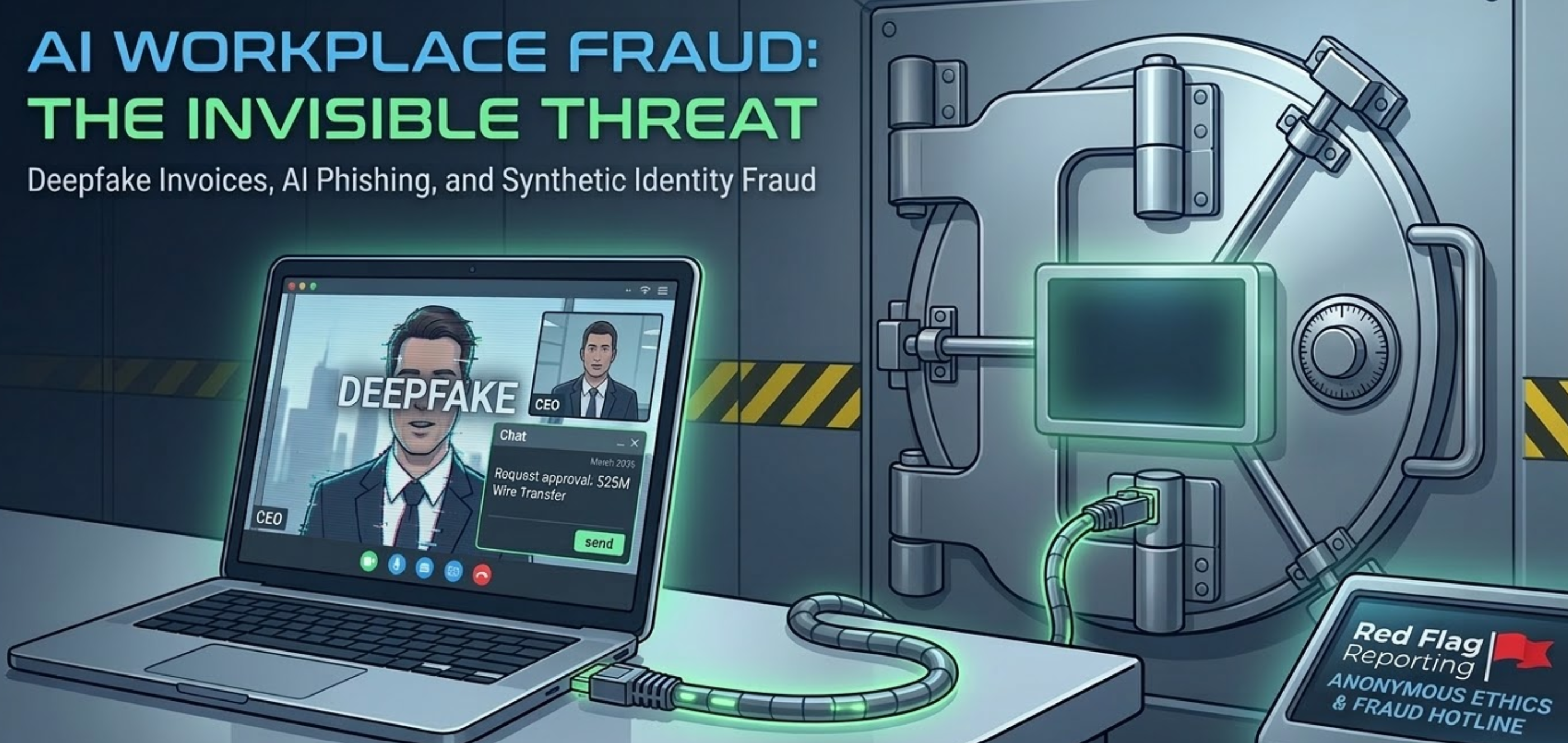
In the modern corporate landscape, the margin for error has grown razor-thin. Information travels at the speed of social media, and a localized grievance can transform into a global catastrophe within hours. For leadership teams, the greatest threat is often not the problem they are currently solving, but the one they do not yet know exists. This is why proactive crisis mitigation has become a strategic necessity. By evolving the internal reporting hotline from a mere compliance requirement into a sophisticated early warning system, organizations can detect the faint signals of trouble before they manifest as full-blown disasters.
The Anatomy of a Hidden Crisis
Most corporate disasters do not emerge from a vacuum. Whether it is a safety violation, financial impropriety, or a toxic workplace culture, these issues typically begin as small, isolated incidents or behavioral patterns. In many cases, employees on the “front lines” are the first to witness these anomalies. However, without a robust and trusted mechanism to relay this information upward, these insights remain trapped in silos.
When a problem is left to fester in the dark, it undergoes a process of escalation. What starts as a minor accounting discrepancy can grow into systemic fraud; a single instance of harassment can evolve into a culture of litigation. By the time these issues reach the executive suite via traditional channels, they have often already caused irreparable harm. The hotline serves as the bridge over this communication gap, ensuring that the distance between the observation of a risk and the intervention of leadership is as short as possible. This speed is the cornerstone of any successful proactive crisis mitigation strategy.
Protecting the Intangible: Reputational Resilience
A company’s reputation is perhaps its most valuable—and most fragile—asset. It is built over decades of consistent performance and ethical behavior, yet it can be dismantled by a single headline. In the court of public opinion, the “cover-up” or the “failure to act” is often judged more harshly than the original mistake itself.
By utilizing hotlines as early warning systems, organizations can manage issues internally and ethically before they leak into the public domain. When an employee feels they have a safe, anonymous, and effective way to report a concern, they are far less likely to turn to external whistleblowing platforms, social media, or the press.
Early detection allows for controlled transparency. It gives the organization the opportunity to investigate, validate the claim, and take corrective action. When a company can say, “We identified this issue through our internal controls and have already begun the remediation process,” it demonstrates accountability. This proactive stance preserves the trust of customers, investors, and the public. Conversely, being blindsided by an investigative report or a viral post forces a company into a defensive, reactive posture that rarely ends well for its brand equity.
Strategic Advantages of Proactive Crisis Mitigation
Beyond the court of public opinion lies the increasingly complex world of regulatory oversight. Regulatory bodies across the globe have shifted their focus from reactive punishment to the evaluation of a company’s “culture of compliance.” When an organization faces an inquiry, one of the first questions asked is whether the company had the means to detect the wrongdoing and what it did once it was alerted.
A dormant or ineffective hotline is a massive liability. If a regulatory body discovers that an issue was known by employees but never reported due to a lack of trust or a broken system, the resulting penalties are often compounded. This is viewed as a systemic failure of governance.
However, when a hotline functions as a true early warning system, it serves as a powerful shield. It allows the organization to self-report or at least demonstrate that it has a functioning mechanism for self-correction. In many jurisdictions, the presence of a robust internal reporting system and evidence of immediate action can lead to significantly mitigated fines and more lenient settlements. In this sense, the hotline is not just a phone number; it is a critical component of the organization’s legal defense and proactive crisis mitigation efforts.
Cultural Dividends: Trust and Psychological Safety
The effectiveness of a hotline is a direct reflection of the organization’s culture. If employees fear retaliation or believe that their reports will fall on deaf ears, the “early warning system” remains silent. To prevent crises, leadership must foster an environment of psychological safety, where reporting a concern is viewed as an act of loyalty to the company’s future.
When a hotline is marketed and managed correctly, it sends a clear message to the workforce: “We value the integrity of this organization more than we value the comfort of ignoring a problem.” This creates a virtuous cycle. As employees see that reports lead to meaningful change without negative consequences for the reporter, trust in leadership grows. This heightened state of alertness acts as a natural deterrent to bad behavior. Potential wrongdoers are less likely to act when they know that any peer could be a point of detection in a system dedicated to proactive crisis mitigation.
Operational Efficiency and the Cost of Inaction
From a purely operational standpoint, the cost of an early intervention is a fraction of the cost of a post-crisis recovery. A crisis demands an enormous amount of executive time, expensive external legal counsel, public relations consultants, and often, the restructuring of entire departments.
An early warning system allows for “surgical” fixes. If a hotline report highlights a flaw in a manufacturing process, the company can pause production and fix the error before a defective product reaches the market. If it identifies a manager who is cutting corners on safety, that individual can be retrained or removed before an accident occurs. These are manageable, operational tasks. Once an issue escalates into a disaster, the company loses control of the timeline, the narrative, and the costs. Effective proactive crisis mitigation ensures that these costs remain low and the organization remains stable.
Conclusion: From Compliance to Strategy
The transition of the hotline from a “check-the-box” compliance tool to a strategic early warning system requires a shift in mindset. It requires leadership to embrace uncomfortable truths and to view every report—even the small ones—as a gift of information.
In an era where transparency is mandatory and the cost of failure is existential, the ability to see around corners is the ultimate competitive advantage. Hotlines provide that vision. By capturing the first echoes of a problem, they allow organizations to act with precision and integrity, ensuring that a small spark never has the chance to become a conflagration. Proactive crisis mitigation is always more effective, and far less painful, than surviving a crisis that could have been avoided.
Learn how we can help you: Contact Us.
Need help communicating about a public crisis? Visit our friends at Hennes Communications.
Reach Us
Red Flag Reporting
P.O. Box 4230, Akron, Ohio 44321
Tel: 877-676-6551
Fax: 330-572-8146