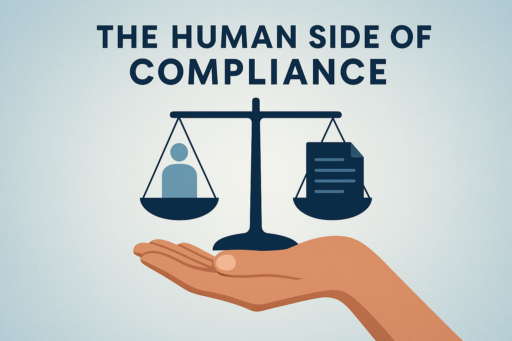
The Human Side of Compliance: Stories Behind the Calls
Introduction: Why the Human Side of Compliance Matters
When organizations discuss ethics and policy, it’s easy to focus on rules, forms, and audits. But behind every hotline report is a person—someone carrying stress, fear, or hope. Recognizing the human side of compliance helps leaders understand why people speak up, what they need in the moment, and how a trustworthy hotline can change outcomes for the better.
The anonymized stories below—shared with permission—show how a single report can make a difference.
A Young Employee Who ‘Didn’t Want Anyone to Get Hurt’
“My hands won’t stop shaking. I’m not trying to get anybody fired—I just don’t want someone to get hurt,” wrote a warehouse employee after witnessing unsafe forklift operation.
He had raised the issue with his supervisor twice. Both times, he was brushed off with, “We’re slammed—just keep clear and let him work.”
The worry followed him home. He pictured a co‑worker getting injured because no one acted. That’s when he turned to the hotline.
How the hotline helped:
The report triggered a safety review. Leadership found both risky behavior and maintenance gaps in older equipment and addressed them quickly. He later added:
“I haven’t slept right in weeks. Last night, I finally did.”
This is the human side of compliance: a person trying to do the right thing despite fear of being dismissed or blamed.
The Finance Analyst Who Felt ‘Her Career Was on the Line’
A mid‑career analyst spent months uneasy about unusual adjustments to quarterly financials. When she raised questions, a senior colleague told her, “Don’t go chasing ghosts—polish the deck and leave the rest to us.”
Her internal alarm grew louder.
“If this is wrong and I stay quiet, I’m part of it. But if I speak up and I’m wrong, I could wreck my job.”
She used the hotline to confidentially document her concern and ensure it reached the appropriate internal team—not for advice, but for a safe, neutral intake that would route the issue to the right place.
How the hotline helped (without giving guidance):
The hotline captured her report and forwarded it to internal audit and compliance leaders. Those teams—not the hotline—investigated and clarified the reporting process. They uncovered a control gap in approvals and a misunderstanding in the reporting structure that, left unaddressed, could have led to unintentional non‑compliance. Leadership thanked her for escalating through the proper channel.
Afterward, she said:
“It was a relief to talk to investigators who took the facts seriously. For once I wasn’t treated like I was making trouble—I was doing my job.”
Her story underscores the human side of compliance: people want a safe way to raise questions and have qualified internal experts—not the hotline—evaluate and address them.
A Long‑Time Employee Who Felt Invisible—Until Someone Listened
One of the most memorable hotline calls came from a 62‑year‑old machinist who had worked for his company for over thirty years. He believed his new supervisor was treating him differently from younger coworkers—assigning the least desirable tasks, criticizing him in front of others, and excluding him from training.
“I’ve never complained a day in my life,” he said. “But the last few months, I walk to my car feeling smaller than when I showed up.”
He didn’t want drama or punishment. He wanted dignity.
How the hotline helped:
Through confidential intake, he felt safe sharing specific, time‑stamped examples. HR initiated a respectful investigation and uncovered a pattern of age‑related bias that leadership addressed promptly with coaching, corrective action, and changes to training access.
A month later, he posted a follow‑up via the hotline portal:
“I can do my job without bracing for the snide comments. That’s a good day.”
This is the human side of compliance: not just avoiding legal risk, but ensuring people feel seen, safe, and respected.
Conclusion: Reporting Isn’t a Form—It’s a Human Moment
Ready to support the human side of compliance with confidential reporting and professional case handling? Contact us to learn more about implementing a hotline program.
For more beyond the human side of compliance, consider what SHRM has to share.
Reach Us
Red Flag Reporting
P.O. Box 4230, Akron, Ohio 44321
Tel: 877-676-6551
Fax: 330-572-8146