Heat Illness Prevention: How a Proposed Federal Heat Rule Could Save Workers’ Lives
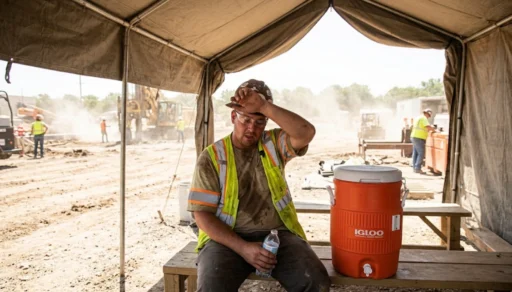
Heat illness prevention is one of the most important, and most overlooked, responsibilities employers have when temperatures climb. In a recent article from the Daily Montanan, “How a proposed federal heat rule might have saved workers’ lives.” by Amy Maxmen, the discussion centers around a proposed federal rule by OSHA aimed at protecting workers from extreme heat. This rule, introduced by President Joe Biden in July, would require employers to reduce the risk of heat related illness through preventative measures. Key measures include access to cool drinking water, shaded or air conditioned break areas, 15 minute paid breaks every two hours when temperatures exceed 90 degrees, and an acclimation period for new employees.
Heat Illness Prevention Starts in the First Week
The article highlights several tragic incidents where workers lost their lives due to heat exposure on the job. It also notes that over 70% of workers who die from heat do so within their first week of work, stressing the importance of an acclimation period. That makes new hires the highest-risk group in any heat illness prevention plan. The proposed rule is seen as a critical step towards ensuring worker safety in increasingly hot conditions, exacerbated by climate change. You can follow the status of the rulemaking on OSHA’s Heat Injury and Illness Prevention rulemaking page.
The Business Case for Heat Illness Prevention
Advocates argue that this rule could significantly reduce the number of heat-related illnesses and deaths among workers, particularly those in outdoor and physically demanding jobs. On the other hand, critics argue that the proposed measures do not account for the wide variety of jobs, climates, and workers subject to the rule. While some industry groups argue that the proposed rule will be too costly to employers, an analysis of workers’ compensation claims suggests that employers will actually save money by implementing the proposed measures. In other words, heat illness prevention is not only the right thing to do; it can also lower costs.
Why Heat Illness Prevention Depends on Speaking Up
Ultimately, the proposed federal heat rule addresses the need to mitigate the risks of extreme heat in the workplace. While there are differing opinions on the costs and implementation, the rule’s focus is on reducing heat-related illnesses and fatalities, highlighting the importance of safe working conditions. Effective heat illness prevention also depends on workers feeling free to speak up when water, shade, or breaks are missing. A confidential safety hotline gives employees a way to report unsafe heat conditions before they become emergencies and shows that the organization is committed to protecting employees.
Ready to strengthen heat illness prevention and workplace safety at your organization? Red Flag Reporting provides confidential ethics, safety, and compliance hotline services with no administrator license fees. Contact us today to request a quote or demo.
Frequently Asked Questions About Heat Illness Prevention
What is heat illness prevention?
Heat illness prevention is the set of steps employers take to keep workers from suffering heat exhaustion, heat stroke, and other heat-related harm. Common measures include cool drinking water, shade or air-conditioned rest areas, scheduled breaks, acclimatization for new workers, and training on warning signs.
What would the proposed OSHA heat rule require employers to do?
The proposal calls for a written heat illness prevention plan, access to cool drinking water, shaded or air-conditioned break areas, paid rest breaks during high heat, an acclimatization period for new and returning workers, and training for employees and supervisors.
Is the OSHA heat rule in effect now?
No. As of this writing, the rule remains a proposal and has not been finalized. OSHA can still cite employers for heat hazards under the General Duty Clause, and several states enforce their own heat illness prevention standards.
Why is acclimatization so important for new employees?
Most heat-related worker deaths happen in the first week on the job, before the body has adjusted to working in heat. A gradual acclimatization schedule protects new hires during their most vulnerable period.
How can an anonymous hotline support heat illness prevention?
A hotline gives employees a confidential way to report unsafe conditions, such as missing water or skipped breaks, without fear of retaliation. Reports go to the organization promptly so leaders can act, and employees see that speaking up is welcome.
Reach Us
Red Flag Reporting
P.O. Box 4230, Akron, Ohio 44321
Tel: 877-676-6551
Fax: 330-572-8146