The Paper Trail of Integrity: How Hotline Compliance Documentation Supports Organizations During Federal Oversight
TL;DR: While a hotline does not provide absolute immunity, it creates the contemporaneous, time-stamped evidence that federal investigators look for when distinguishing between a “good-faith mistake” and “plain indifference.”
For many organizations, from small businesses to large enterprises, the arrival of an OSHA Compliance Officer or a WHD Investigator can be a daunting experience. At this critical moment, the agency is seeking objective evidence of your organization’s intent. The central question they aim to answer is whether your compliance program is truly “functional” or merely “formal.”
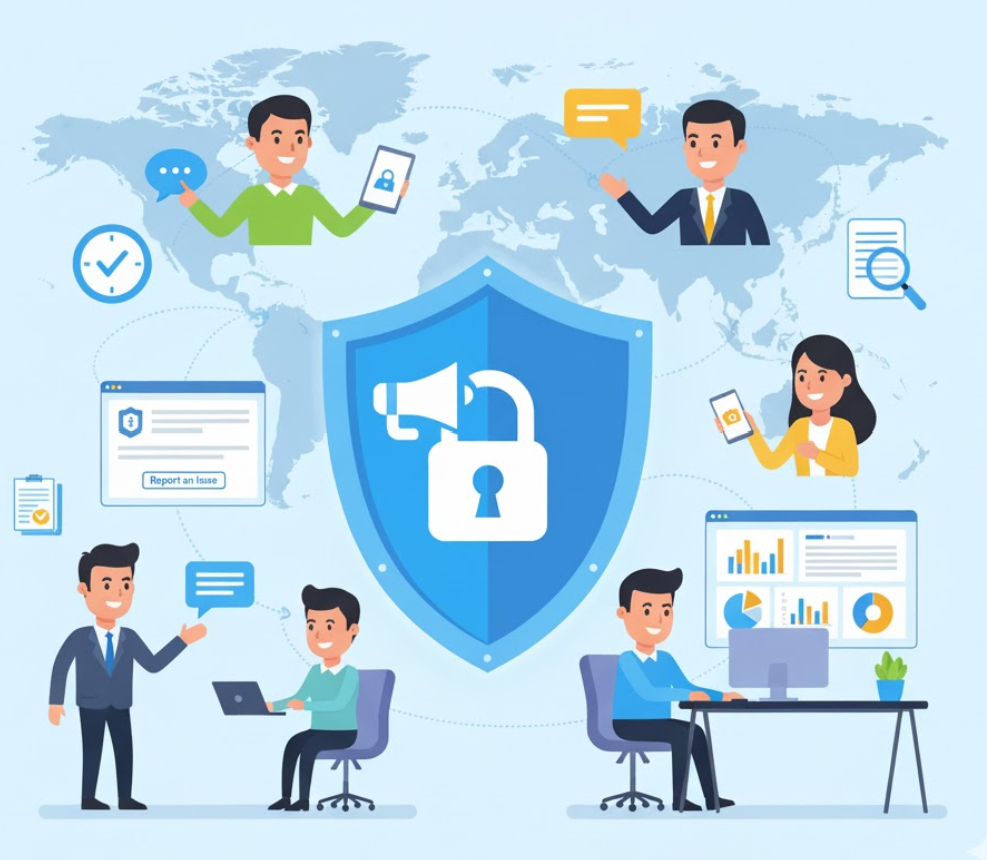
Many regulators expect organizations to provide employees with accessible channels for raising concerns internally before issues escalate into formal complaints. Anonymous reporting systems—often referred to as whistleblower hotlines—are widely recommended in governance frameworks because they create a structured pathway for employees to report safety hazards, payroll concerns, harassment, fraud, or other compliance risks.
When these reports are logged, investigated, and resolved with documented corrective actions, they generate contemporaneous records that demonstrate the organization is actively monitoring risk rather than reacting only after regulators intervene. For nonprofit boards and compliance officers, these reporting mechanisms serve as an early-warning system that strengthens internal accountability while creating defensible documentation should agencies such as the Occupational Safety and Health Administration or the U.S. Department of Labor Wage and Hour Division later review the organization’s practices.
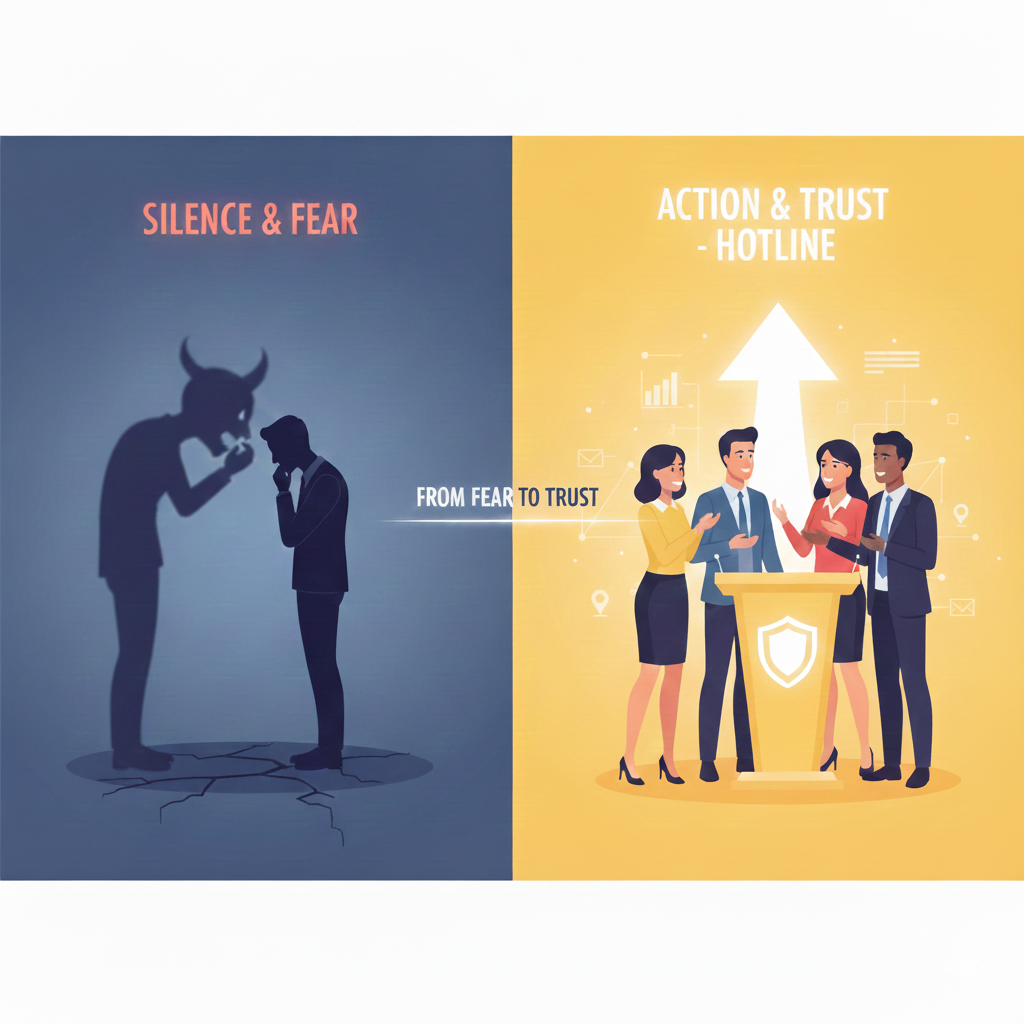
In these high-stakes interactions, your most powerful asset is a “Paper Trail of Integrity.” A professional hotline for non-profits serves as persuasive, contemporaneous evidence of good-faith compliance, helping to manage risks during federal inspections and investigations.
- Rebutting “Willful” Designations in OSHA Inspections via Hotline Compliance Documentation
In OSHA enforcement, the characterization of a violation determines the severity of the financial impact. The most devastating category is the Willful Violation—defined as a transgression where the employer either knew a condition constituted a violation or was aware of a hazard and showed “plain indifference” to employee safety.
The Shield: Documentation from a hotline and a subsequent corrective-action trail can help rebut a “Willful” designation. It provides evidence that the organization was not indifferent but was actively utilizing internal systems to identify and address concerns.
Example: A slip-and-trip hazard is reported via the hotline. Safety logs show same-day interim controls and a 72-hour Corrective Action Plan (CAPA). During the inspection, these records help demonstrate the employer was not indifferent, supporting a non-willful classification.
- Earning “Good Faith” Penalty Reductions via Hotline Compliance Documentation
OSHA’s Field Operations Manual (FOM) governs how penalties are calculated, allowing for significant adjustments based on an employer’s efforts to implement an effective safety and health program.
Following OSHA’s July 14, 2025, update to FOM Chapter 6 (Penalties and Debt Collection), these “Good Faith” adjustments—which can reach approximately 25%—are tied strictly to documented evidence of a proactive management system. (Note: OSHA’s maximum penalties, which can exceed $160,000 for certain violations, adjust each January; see OSHA’s penalties page for the latest inflation adjustments.)
- The Faragher-Ellerth Defense and “Reasonable Care”
In employment law, the Faragher-Ellerth affirmative defense allows an organization to potentially avoid liability for supervisor misconduct if it can prove it exercised reasonable care to prevent and correct wrongful behavior.
Courts and EEOC guidance emphasize the importance of clear, effectively enforced reporting procedures. While no federal law mandates a third-party hotline, providing an anonymous, 24/7 external reporting channel is strong evidence of “reasonable care.” If an employee “unreasonably fails” to use such a well-publicized internal channel before seeking external litigation, the organization is in a much stronger position to defend its culture of compliance.
- Mitigating Wage and Hour Liability via Hotline Compliance Documentation
The DOL’s Wage and Hour Division (WHD) relies on its Field Operations Handbook (FOH) to guide investigators. While the FOH is investigative guidance—not binding law—investigators routinely rely on it to assess the weight of an employer’s evidence.
A critical factor is whether an FLSA violation is “willful.” Under the Supreme Court standard set in McLaughlin v. Richland Shoe, a violation is willful if the employer knew or showed “reckless disregard” for whether its conduct was prohibited.
- The Impact: A willful finding extends the statute of limitations for back-pay from two years to three. This effectively can increase total back-pay exposure by ~50%, depending on the timing and scope of violations.
- WHD Example: Anonymous tips flagged “off-the-clock” work; payroll corrections and back-pay were issued pre-investigation. This documented self-correction undercuts a “reckless disregard” narrative during a subsequent WHD review.
- Evidence of Efficacy: The Stubben-Welch Study (2020)
Data supports the value of high-volume internal reporting. A 2020 study in the Journal of Accounting Research by Stephen Stubben (University of Utah) and Kyle Welch (George Washington University) analyzed over a decade of whistleblower data.
This finding is consistent with the view that a hotline does not “create” problems. Instead, organizations with higher internal report volumes were associated with fewer and lower-cost lawsuits and fewer government fines. This suggests that hotlines allow organizations to surface and resolve issues while they are still internal “whispers” rather than external “shouts.”
Conclusion: Hotline Compliance Documentation as A Fiduciary Safeguard
For any organization, every dollar lost to avoidable penalties is a dollar taken from the bottom line and future growth. A “Paper Trail of Integrity” ensures that when the government asks, “What did you know, and when did you know it?” you have a professional, time-stamped answer. Red Flag Reporting helps you build that contemporaneous record, moving your compliance program from a passive policy to a functional safeguard.
Disclaimer: This article provides general information, not legal advice. Consult counsel for advice on specific facts.
Want to know more about our hotline services? Contact us.
Reach Us
Red Flag Reporting
P.O. Box 4230, Akron, Ohio 44321
Tel: 877-676-6551
Fax: 330-572-8146