Why Most Whistleblower Software Fails (And What to Look for Instead)
The Hotline That Nobody Uses Is Not a Compliance Program
Plenty of organizations have invested in whistleblower software. Far fewer have a program that generates meaningful reporting activity.
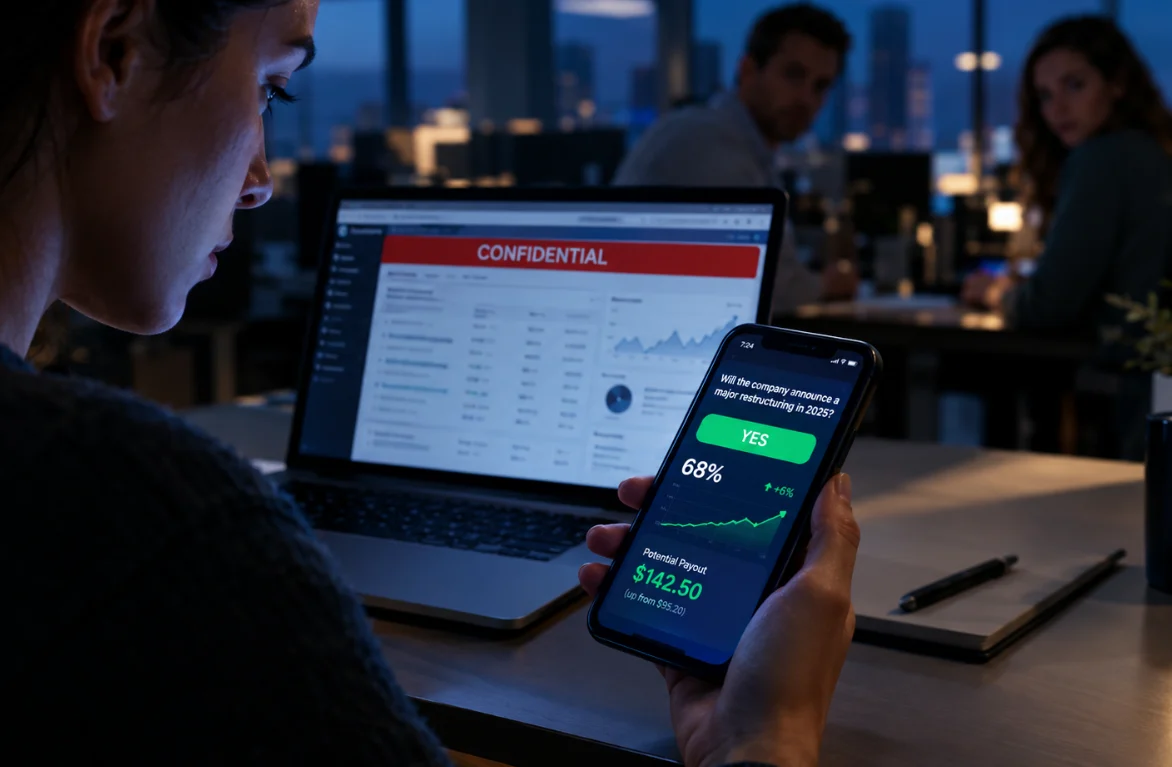
Spend enough time inside compliance departments and you’ll hear a version of the same story: a hotline vendor was selected years ago, a poster went up in the breakroom, and reporting volume has sat between negligible and nonexistent ever since. When a report comes in, it’s often vague or filed months late. More often, nothing comes in at all — and the organization learns about the problem from a regulator, a lawsuit, or a headline instead.
The standard explanation is “employees don’t trust it.” True, but it’s also a shrug dressed up as an answer. It treats low reporting as an unsolvable mystery instead of what it actually is: the predictable result of specific, identifiable design failures. A whistleblower hotline nobody uses isn’t a dormant asset — it’s a liability, giving leadership and the board false confidence that problems would surface if they existed, right up until one doesn’t.
This failure is common enough to deserve an honest diagnosis, not another list of best practices. Below are the five reasons whistleblower software — sometimes sold as whistleblowing software, an ethics hotline, or compliance hotline software — actually fails, and what separates a whistleblower reporting system that works from one that just exists on paper.
Failure Reason 1 — Employees Do Not Believe They Are Actually Anonymous
Anonymity policies are easy to write and hard to make credible. An employee doesn’t need proof that a report can be traced back to them — only a reason to suspect it might be, and they’ll stay silent rather than test the theory.
The failure usually isn’t that reports reach the organization — most do, since someone inside the company has to act on what’s reported. It’s that poorly designed intake systems leak the details that would unmask the reporter along with it: caller ID, phone numbers, IP addresses, email headers. A system that captures any of that turns “anonymous” into a technicality, whether or not anyone ever looks.
Genuine anonymity isn’t a checkbox in a policy manual — it’s a function of what travels with the report and is critical when selecting whistleblower software. A reporter should be able to submit a concern and keep corresponding with the organization’s case manager, answering follow-up questions and providing updates, without a phone number, IP address, or any other identifying detail ever being disclosed. That ongoing, two-way anonymity is what most internal systems can’t credibly guarantee, and it’s the difference between anonymity as a policy promise and anonymity as a structural feature of how the channel actually works.
Failure Reason 2 — The Hotline Is Hard to Access
A reporting channel that’s easy to use only for salaried, desk-based, English-speaking employees during business hours isn’t designed for the workforce that most needs it.
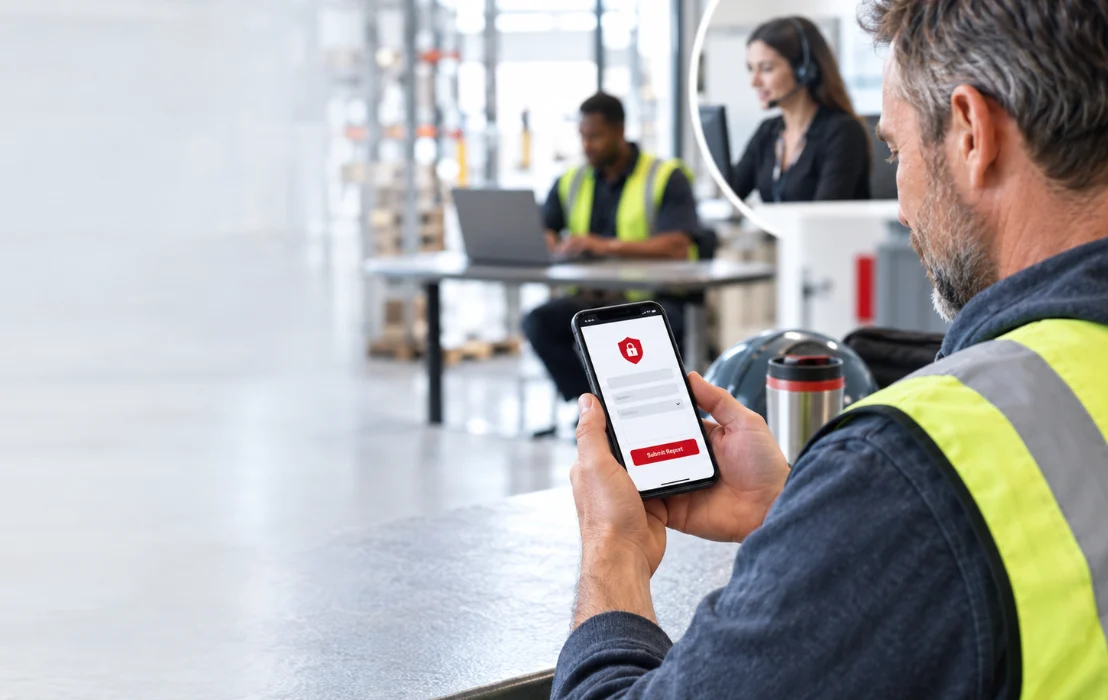
Access barriers are rarely dramatic — they’re small frictions that add up: a phone line staffed only during office hours, a web form with no phone option, no language support beyond English, or an intake process requiring several steps before a concern can even be entered. Each barrier quietly filters out part of the workforce.
The employees most affected — frontline staff, shift workers, warehouse employees, non-English speakers — are often the ones positioned to see safety violations, harassment, and misconduct that never reach a manager’s desk. A whistleblower hotline provider that treats 24/7, multichannel, multilingual access as a premium feature rather than a baseline is, by design, hearing from only a fraction of the organization.
Failure Reason 3 — Employees Have No Reason to Believe Anything Will Happen
Low reporting is often as much about memory as it is about fear. Fear of retaliation is a real barrier, but futility is its quieter cousin: an employee who filed a report that visibly went nowhere — or watched it happen to a colleague — updates their expectations accordingly. Next time they see something, they may stay quiet not because they’re afraid, but because they’ve already run the experiment and concluded it doesn’t matter.
This is the hardest failure to reverse because it’s built on lived experience, not perception. Rebuilding it takes consistent follow-through: acknowledging reports promptly, closing the loop with the reporter within the bounds of confidentiality, and making anti-retaliation enforcement visible rather than theoretical. That’s a workflow problem as much as a cultural one — it requires case management with real status tracking and documentation behind it, not a shared inbox someone checks when they remember to. A whistleblowing platform that logs a report and lets it sit is training employees, one silence at a time, not to use it again.
Failure Reason 4 — The Hotline Is Internal and Employees Know It
Every whistleblower report eventually reaches the organization — someone inside the company has to investigate it, decide what to do, and act. What varies is who takes the report first, and whether that first point of contact has any connection to what’s being reported. With an internal hotline, that’s often HR or compliance staff — colleagues, even when the concern involves someone with influence over that team. Plenty of organizations run internal channels competently, but that first-contact conflict is structural, and messaging alone doesn’t resolve it.
The gap widens when the concern involves a manager, an executive, or behavior the organization has already tolerated. Employees reasonably want to know who sees the report first and who it gets routed to from there — and whether the person they’re reporting could stay looped in along the way. Even a well-run internal system may struggle to fully remove that doubt, because the concern stems from who operates the intake, not from any specific operational failure.
Independence changes who’s on the other end of that first contact — not whether the organization ultimately acts on the report. A third-party whistleblower hotline handles intake, screening, and ongoing correspondence with the reporter independently; the report itself still gets routed to the organization’s designated case manager for investigation and resolution, because that’s who has the authority to act on it. What changes is that the reporter knows upfront who took the call and that their identity was protected getting there. That clarity is often an important factor in employee trust and willingness to report concerns — and a real one to weigh against whatever a compliance hotline software program promises on paper.
If your current whistleblower software can’t clear that bar, it’s worth seeing what an independent one looks like. Talk to Red Flag Reporting about what a genuinely third-party program includes.
Failure Reason 5 — The Program Was Launched and Then Forgotten
Whistleblower software is not a one-time implementation — it’s an ongoing program, and most organizations treat it like the former. There’s a communication push at launch: an email, a poster, maybe a training slide. Then attention moves elsewhere, and reporting volume follows it downward.
This isn’t speculation. The Association of Certified Fraud Examiners’ Occupational Fraud 2026: A Report to the Nations found that organizations providing fraud awareness training received more than twice as many employee tips as those that didn’t — and tips remain the single most common way fraud is detected, at 43% of cases, with more than half coming from employees. Awareness isn’t a soft metric here; it’s directly tied to whether the system generates usable information at all.
A sustained program means recurring training, periodic reminders through channels employees actually see, and visible reinforcement from leadership that reporting is expected, not just tolerated. The ACFE data doesn’t track decay directly, but the pattern it does show — trained organizations generating far more tips than untrained ones — points the same direction: awareness that isn’t renewed doesn’t hold, and reporting built on top of it doesn’t either.
What to Look for in Whistleblower Software Instead
Whistleblower software that actually functions is independent, accessible to every employee regardless of shift, language, or role, genuinely anonymous by design rather than by policy, backed by visible follow-through, and reinforced continuously rather than launched once and forgotten. That’s the standard to hold any whistleblower hotline provider to — not whether they check a compliance box, but whether the program is built to overcome the reasons hotlines fail.
What a Functioning Whistleblower Program Actually Requires
- True anonymity with third-party independence
- Multichannel, 24/7 access including phone and web
- Multilingual support for all employees
- Consistent follow-through and anti-retaliation enforcement
- Ongoing awareness and communication beyond launch
- Integrated case management that closes the loop on every report
Red Flag Reporting is built around the things most hotline programs get wrong. Independent, third-party, multilingual, and available 24/7, with case management that closes the loop on every report. Schedule a demo to see the difference.
FAQs
Why do whistleblower hotlines fail?
Usually a combination: employees doubt the report is genuinely anonymous, the system is hard to access outside business hours or in their language, past reports seemed to go nowhere, the hotline is run internally rather than by an independent third party, and the program loses visibility after launch.
What is the difference between an internal and third-party whistleblower hotline?
An internal hotline is operated by the organization itself, often through HR or legal staff, which can create a real or perceived conflict of interest when a report involves someone in that chain. A third-party hotline operates independently of that structure, which removes the conflict — organizations typically choose this model specifically to increase employee confidence in the reporting process.
How do I know if my whistleblower hotline is working?
Look past whether it exists and examine whether it’s producing usable reports: volume relative to headcount, specificity of what’s reported, how quickly reports are resolved, and whether reporting comes from across the organization rather than one department.
What makes employees trust a whistleblower reporting system?
Independence, consistent follow-through, and visible proof reports lead to action — anonymity that’s structurally guaranteed rather than promised, anti-retaliation enforcement employees can see, and regular communication about the program, not just at launch.
How can organizations improve hotline utilization rates?
Move to an independent third-party provider, offer accessible channels — phone and web, in multiple languages — close the loop with reporters, enforce anti-retaliation policies visibly, and sustain awareness through recurring training rather than a single launch event.
Reach Us
Red Flag Reporting
P.O. Box 4230, Akron, Ohio 44321
Tel: 877-676-6551
Fax: 330-572-8146