
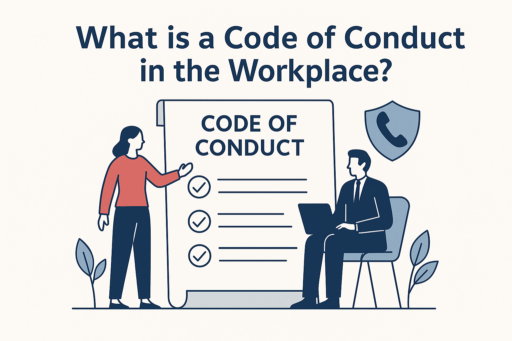
What is a Code of Conduct in the Workplace?
A workplace code of conduct is a practical guide that explains how your organization expects people to behave—backed by examples, do’s and don’ts, and clear reporting pathways.
It connects your values (respect, integrity, safety) to everyday actions, and it points employees to places they can go—like HR, their manager, or a confidential hotline—when they have questions or concerns.
A well‑written code supports your broader ethics and compliance program and helps you prevent issues before they become crises.
What is a Code of Conduct in the Workplace? Key Considerations
Definition and purpose
A workplace code of conduct is a concise, plain‑language document that sets expectations for ethical, legal, and safe behavior. It helps employees make decisions in gray areas, shows leaders’ commitment to doing the right thing, and provides a shared reference point for training, investigations, and accountability.
How it differs from a policy manual
A code explains what you expect and why it matters, using examples and scenarios. A policy manual goes deeper into how to comply, with detailed procedures. Think of the code as the front door to your ethics and compliance program.
Core Elements of an Effective Code of Conduct
Organizational values and guiding principles
Open with your values—respect, integrity, inclusion, safety, compliance—and a brief statement from leadership that the code applies to everyone, without exception.
Expected behaviors (and examples)
Translate values into practical behaviors, e.g., respectful communication, disclosing conflicts of interest, accurate recordkeeping, and following safety protocols.
Prohibited conduct (harassment, discrimination, fraud, safety violations, etc.)
Be explicit about prohibitions: harassment, discrimination, retaliation, fraud, bribery, theft, data misuse, safety violations, violence, and substance abuse.
Reporting mechanisms (HR, management, hotline, web portal)
Spell out how to speak up: talk to a supervisor or HR, or use the confidential hotline and web portal. For an overview of hotline value, see Employee Hotline Benefits. State that reports can be made anonymously, 24/7, in multiple languages, and that the organization prohibits retaliation against anyone who raises a concern in good faith.
Why a Code of Conduct Matters for Culture and Risk Management
Preventing misconduct and clarifying grey areas
A clear, example‑driven code reduces confusion and encourages early questions—often preventing small concerns from becoming big problems.
Supporting your affirmative defense in investigations
Demonstrating that you had standards, training, and reporting avenues in place—then responded promptly and fairly—can strengthen your position with regulators, insurers, and courts.
Reinforcing anti‑retaliation commitments
Employees are far more likely to speak up when they trust they’ll be heard and protected. Your code should make a simple promise: No retaliation for good‑faith reports, ever.
The Role of Hotlines and Case Management in Enforcing Your Code
Making it easy and safe to report violations
A hotline (phone and web) gives employees a confidential, anonymous channel to raise concerns when talking to a manager doesn’t feel safe or practical.
Documenting investigations and outcomes (case management system)
Pair your hotline with a secure case management system to log allegations, triage, assign investigators, track deadlines, document findings, and implement corrective actions—creating a defensible record.
Using data insights to update the code over time
Hotline and case data illuminate trends—recurring risks, cultural hotspots, or policy gaps. For related reading, see Preventing Corporate Misconduct and use those insights to refresh language, add examples, adjust training, and strengthen controls.
Bringing Your Code of Conduct to Life with Red Flag Reporting
How to reference the hotline and portal within your code
Include a “How to Speak Up” sidebar with: hotline number, web portal URL/QR code, confidentiality and anonymity statements, languages, 24/7 availability, and your anti‑retaliation commitment. Also remind employees they can ask questions, not only report violations.
Promotion ideas: onboarding, posters, intranet, training
New‑hire onboarding and annual code acknowledgments; posters with QR codes in break rooms; intranet banners linking to the portal; micro‑learning refreshers with real‑world scenarios; leadership messages reinforcing speak‑up culture.
Call Red Flag Reporting
Now that we have answered the question “What is a code of conduct in the workplace?,” do you need a hotline to support your code of conduct? Talk with Red Flag Reporting or visit www.redflagreporting.com to get started.
Code of Conduct + Hotline Launch Checklist
- Plain‑language code (7–12 pages) with examples and do’s/don’ts
- Clear scope: who the code applies to (employees, contractors, volunteers)
- Prominent anti‑retaliation statement
- Hotline phone number + web portal link/QR code in the code and intranet
- Defined investigation workflow and roles (intake → triage → resolution)
- Training plan (new hire + annual) and acknowledgment process
- Poster/intranet campaign and manager talking points
- Case management system configured (categories, notifications)
- Quarterly trend analysis to update code/policies
- Board/leadership oversight and periodic effectiveness reviews
Need some examples addressing “what is a code of conduct in the workplace?,” see this page from Indeed.