
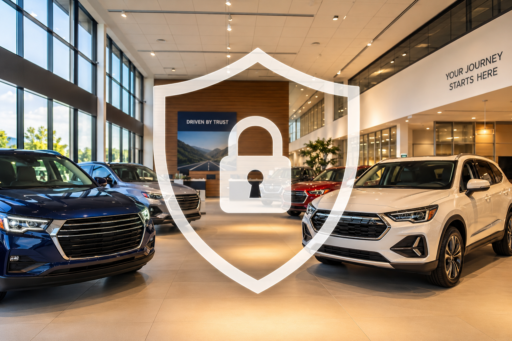
Auto dealerships operate in one of the most heavily regulated and high-stakes environments in American business. Between managing complex financing arrangements, navigating federal consumer protection laws, overseeing large service departments, and maintaining a workforce that spans sales, finance, parts, and repair, there are countless opportunities for misconduct to take hold—often quietly, and often at great cost.
While no system can prevent all misconduct, dealerships that lack a formal, confidential reporting channel are operating without an important early warning mechanism—and that’s a significant, avoidable risk.
A dealership compliance hotline is a confidential reporting tool that gives employees a safe, accessible way to surface ethics violations, safety concerns, financial misconduct, and other issues—without fear of retaliation. As a trusted provider of compliance hotline solutions to organizations of all sizes and industries, Red Flag Reporting understands what’s at stake for dealers who operate without this critical safeguard. Here are seven reasons your auto dealership needs a compliance hotline—and why increased regulatory scrutiny, digital audit trails, and growing employee awareness of reporting rights make now the right time to act.
1. Auto Dealerships Face Unique and Serious Compliance Risks
The regulatory landscape for auto dealers is dense. Dealerships must comply with the Federal Trade Commission’s Used Car Rule and Safeguards Rule, the Gramm-Leach-Bliley Act (GLBA), the Truth in Lending Act (TILA), the Equal Credit Opportunity Act (ECOA), OSHA workplace safety standards, state consumer protection statutes, and more. The National Automobile Dealers Association (NADA) maintains a comprehensive Code of Ethics and publishes compliance guides specifically to help dealers navigate this complex web of obligations.
Non-compliance is expensive. Public enforcement records show that dealership groups have faced multi-million dollar settlements for violations of environmental and customer record laws. OSHA penalties can reach tens of thousands of dollars per violation—and significantly more for willful or repeat violations. FTC enforcement actions can result in consent orders and mandatory compliance programs that cost far more than prevention.
A dealership compliance hotline doesn’t eliminate risk—but it creates an early warning system that helps management identify problems before they escalate into regulatory actions, lawsuits, or headlines.
2. Internal Fraud Is a Persistent Threat Across Every Dealership Department
Fraud at auto dealerships is well-documented across the industry. Published case studies and regulatory enforcement histories point to recurring fraud schemes in virtually every department:
- Sales departments: Unauthorized manufacturer rebates, falsified buyer orders, or undisclosed fees embedded in contracts
- Finance and insurance (F&I): Inflated interest rates, undisclosed add-ons, or forged customer signatures on financing documents
- Service departments: Billing for repairs not performed, substituting aftermarket parts while charging for OEM components, or falsifying warranty claims
- Parts departments: Substituting non-authorized parts, writing off inventory as obsolete and reselling it off the books, or theft
- Used car operations: Odometer fraud, misrepresenting vehicle history, or failing to disclose prior damage
Employees are often the first to notice these patterns. According to the Association of Certified Fraud Examiners (ACFE), tips from employees are the most common way occupational fraud is detected—significantly more often than audits, management reviews, or external sources. But without a safe, confidential channel to report what they see, many employees stay silent. A dealership compliance hotline gives those employees a voice, and gives management the visibility it needs to act.
3. Confidential Reporting Channels Can Significantly Increase Employee Willingness to Come Forward
Employees who witness misconduct—whether it’s a coworker being harassed, a manager falsifying records, or an unsafe condition in the service bay—face a real dilemma. Speaking up informally can feel risky, especially in environments where the culture is competitive or where the wrongdoer holds authority.
A third-party compliance hotline removes that barrier. Because the reporting channel is managed externally and designed specifically for confidential submissions, employees can significantly increase the likelihood they’ll come forward compared to having no formal option at all. This matters enormously given that employee tips, as the ACFE consistently finds, are the primary detection mechanism for fraud and misconduct in the workplace.
When employees know they can report concerns safely, the culture of the dealership begins to shift. Accountability becomes part of the atmosphere, not just a policy in a handbook.
4. It Demonstrates a Genuine Commitment to Ethics—From the Top Down
Dealerships that prioritize ethical operations tend to build stronger long-term customer loyalty, attract quality employees, and earn greater confidence from lenders and manufacturer partners. The correlation between ethical culture and sustainable business performance is well established in the compliance and governance literature.
Implementing a dealership compliance hotline sends a clear signal—internally and externally—that leadership takes ethics seriously. It’s a tangible demonstration of tone at the top, which the Treadway Commission (COSO) widely identifies as one of the most important deterrents to workplace misconduct.
When employees, customers, and business partners see that your dealership has formal mechanisms for raising concerns, it reinforces confidence in your operation. That confidence has real business value.
5. Multi-Location and Large-Group Dealers Face Amplified Risk
For dealer groups operating multiple franchises or locations, the compliance challenge multiplies. General managers at individual stores have a great deal of autonomy—and that autonomy creates opportunities for misconduct that corporate leadership may never see through normal reporting channels.
A centralized dealership compliance hotline gives corporate oversight teams structured visibility across all locations. Reports are documented consistently, available for review, and can reveal data patterns within specific departments or locations before they become enterprise-level problems.
This visibility is especially valuable when preparing for manufacturer audits, regulatory inspections, or lender due diligence reviews—moments when organized, documented management of concerns is directly relevant to your dealership’s business relationships.
6. Case Management Capabilities Turn Reports Into Organized, Documented Action
A compliance hotline is only as useful as the system behind it. When a report comes in, it needs to reach the right people, be tracked through its lifecycle, and be documented in a structured way—not lost in an email inbox or handled informally.
Red Flag Reporting’s compliance hotline services include a case management platform that allows authorized personnel to receive reports, track their status, communicate with reporters (even anonymously), and maintain a clear record of how each concern was handled. This documentation provides clarity and control—and is particularly valuable if a matter ever proceeds to a regulatory inquiry or litigation, demonstrating that your dealership had a functioning, well-managed reporting system in place.
The platform supports multiple intake channels—phone, web, and mobile—so employees can report in the way most comfortable for them, 24 hours a day, seven days a week.
7. Getting Started Is More Straightforward Than Most Dealers Expect
One of the most common reasons dealerships cite for not having a hotline is that implementation seems complicated or costly. In practice, neither is true. A quality compliance hotline provider handles the setup, supplies ready-made employee communication materials, and requires minimal administrative burden from dealership management.
The investment is generally modest relative to other compliance costs—and far less than the cost of a single significant fraud event, regulatory fine, or employment lawsuit. Red Flag Reporting provides scalable solutions that work for independent dealerships as well as large dealer groups.
If your dealership has already received a report and you’re wondering what to do next, our guide You Just Received Your First Hotline Report: 10 Powerful Next Steps walks through the process clearly and practically.
If you’re new to compliance hotlines entirely, our team is here to answer questions with no pressure—just straightforward information about how a dealership compliance hotline works and what it can do for your operation.
The Bottom Line: A Dealership Compliance Hotline Is an Investment in Confidence and Control
Auto dealerships that invest in compliance infrastructure—including a confidential reporting hotline—are better positioned to attract and retain talented employees, maintain strong manufacturer and lender relationships, and avoid the costly disruptions that fraud, misconduct, and regulatory violations create.
A dealership compliance hotline is not a sign that something is wrong at your store. It’s a sign that your leadership is committed to keeping it that way—and to maintaining the clarity, control, and defensibility that a well-run compliance program provides.
Red Flag Reporting is a proven compliance hotline provider trusted by organizations across industries. Our compliance hotline services are designed to be easy to implement, affordable to maintain, and effective at surfacing the concerns your dealership needs to know about.
Ready to strengthen your compliance posture?
Contact Red Flag Reporting today for a no-pressure conversation about how a dealership compliance hotline can protect your employees, your customers, your assets, and your reputation. Request a quote or a demo—and take a concrete step toward greater confidence in your compliance posture.